Wednesday, February 2, 2011

More Tips for Improving Winter Air Quality – Regardless of the Groundhog’s Prediction!

Groundhog
image by Matt MacGillivray used under Creative Commons license


Happy Groundhog Day! Last week, we posted tips for travelers about how to improve air quality during winter. This week, we highlight three year-round activities that are especially helpful in colder months.

1. Sign Up For Air Quality Action Day Updates

Even though most of our Air Quality Action Days occur during summer when ozone levels often are high, Air Quality Action Days can – and do – happen all year. In fact, we had two in December 2010. Make sure you sign up for our updates so you can make smart, healthy and environmentally friendly travel choices whenever an Air Quality Action Day occurs.

2. Combine Multiple Errands into One Trip

Navigate intelligently and combine multiple errands into one trip. That’s a routine you can practice year-round. As you help reduce air pollution, you also save valuable time and money on gas. Doing consecutive errands keeps your engine warm, so your car will operate more efficiently. This is particularly effective during the winter, when cold temperatures cause your engine to cool off faster.

3. Don’t Idle

Being diligent about this tip every day helps improve our air quality and is especially important during the winter. This time of year, many people start their car engines and let them idle for several minutes to warm up the cars. Even though driving in a cold car can be unpleasant, you can improve air quality and save money on gas by not letting your vehicles idle. In fact, an idling car engine can waste around 24.5 gallons (more than a full tank of gas!) each year.

Tuesday, February 1, 2011

WIN A PAIR OF ICE SKATING TICKETS


Do you want to win a pair of FREE ice skating tickets?
Enter the “I Support Clean Air NY” contest to win!

Note: There will be separate drawings for Facebook and Twitter, so enter them both and double your chances at winning!

Here’s how it works for Twitter users:

To enter, simply post a tweet that begins “I support @Clean Air NY by…” and then finish it with something you’ve done to improve the air quality. That’s it! And if you want to start following our tweets, that would be awesome too!

Here’s how it works for Facebook users:

To enter, just write a status update that begins “I support @Clean Air NY by…” and then finish it with something you’ve done to improve the air quality. That’s it! You just have to make sure of two things so that your status will show up on our wall and we will know to count your entry. First, make sure we’re tagged in the update (you have to "like" our Facebook page for this to work), and second, make sure you share your status with "Everyone" using the small lock on the bottom right of the status update menu. Unfortunately this is the only way for us to guarantee that we can see your status update, so just make sure you follow those two steps. If you need help tagging us, check out this tutorial.

Both contests will end on Monday 2/14/11 at 11:59pm ET. After that, we will randomly choose 15 total winners from both Facebook and Twitter to each receive a pair of tickets to Wollman Rink good for free admission and skate rental, as well as vouchers for food and drinks. These tickets will expire April 3rd, 2011.

That’s it! Good luck everyone, and thank you so much for supporting Clean Air NY!

Tuesday, January 25, 2011

Winter Commuting: Cleaner Than a Car and Just as Warm

Snowed In Car
image by AMagill used under Creative Commons license


Winter’s cold temperatures sometimes prompt New Yorkers to take to their cars for commuting. Walking or biking to and from work can be unpleasant during this season, so people may choose the protection and warmth of their vehicles instead of alternate forms of transportation that offer the same virtues but are better for our air quality. We wanted to share with you a few of these options with the hope that, once you see how easy it is to switch, you’ll wind up driving your car less frequently.

1. Take Mass Transit

For those commuters who bike or walk to work during the warmer months, taking mass transit is a great option for the winter. If your office is near your home, you likely live in a more urban location and have many mass transit options. Biking or walking when it’s warm and taking mass transit when it’s cold could save you more than $13,000 a year in car-related expenses and can help reduce air pollution.

2. Carpool

If you must drive your car to and from work during winter, invite a few neighbors to ride with you if they work near your office, or share your car with co-workers you can pick up and drop off along the way each day. 511NYRideshare can help you set up your carpool and will introduce you to all the great benefits available to carpoolers. Carpooling is the perfect compromise because you get the benefits of riding in a car while reducing the number of vehicles on the road and, thus, the amount of air pollution generated.

3. Telecommute

Telecommuting is a great way to improve our air quality and it protects you during winter storms. Staying home is always the safest option at such times, so talk to your boss about whether telecommuting is a viable choice. Creating an emergency plan to work from home will keep you safer during winter and can keep you healthier during warmer months when Air Quality Action Days occur. Sign up to receive our Air Quality Action Day updates and you’ll be ready to telecommute when they are announced.

Tuesday, January 18, 2011

A Brief History of Air Quality Regulations

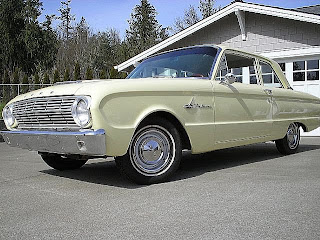
1963 Car
image by Collector Car Ads used under Creative Commons license


Most of the articles we write on this blog are focused on how to improve air quality in the New York metro area now and in the future. This week, we provide some perspective on how we got to where we are in these endeavors.

Our country’s major legislative efforts to clean our air started more than 50 years ago. The Air Pollution Control Act of 1955 was the federal government‘s first attempt to control air pollution at its source. It funded research and helped to put a bigger spotlight on poor air quality as a national issue.

In 1963, the federal Clean Air Act was signed into law. It was the first piece of legislation to use the “Clean Air” title, and paved the way for other legislation to reduce pollution by motor vehicles. In 1965, the Motor Vehicle Air Pollution Control Act was enacted as an amendment to the Clean Air Act. This amendment set federal standards for vehicle emissions for the first time; it sought a 72 percent reduction in hydrocarbons, 56 percent reduction in carbon monoxide and 100 percent reduction in crankcase hydrocarbons from their levels in 1963.

Since then, the Clean Air Act regulations have been credited with saving 11,700 lives from carbon monoxide-related premature deaths, according to a 2002 study in the Journal of the American Medical Association. Additional laws have addressed concerns about particulate matter, ground-level ozone and blood-lead levels, as the nation strives to provide cleaner air for everyone. At Clean Air NY, we believe that everyone can contribute by making small changes to everyday transportation choices. To learn more and to make your commitment to help improve our air quality, visit CleanAirNY.org.

Tuesday, January 4, 2011

10 New Year’s Resolutions For Cleaner Air

If you’re a little late in making your New Year’s resolution and looking for some inspiration, we’ve got 10 environmentally friendly ideas for you that will help improve our air quality.

1. Don’t Top Off the Tank – Stop at the Click

Many people may not know that gas pumps are designed to stop filling the tank before they are entirely full for a reason. The pump stops with a click so there is enough headroom for the fumes from the gasoline to remain inside the gas tank instead of escaping out into the air. When you top off your tank, these fumes have nowhere else to go and are released into the atmosphere where they are baked by the sun and become pollutants. Stopping at the click is a very simple habit to adopt that will go a long way in reducing air pollution.

2. Combine Multiple Errands into One Trip

It may surprise you that something as simple as doing all your errands in one big trip, instead of multiple smaller trips, can improve our air quality significantly. You will help reduce air pollution from driving and save valuable time and money on gas. If you combine errands you drive fewer miles compared to taking multiple shorter trips. You spend less time driving and use less gas to get to your destinations. In addition, your car works more efficiently when the engine is warm. By doing consecutive errands, your engine will stay warm and your car will operate better than it would from a cold start.

3. Fill Your Gas Tank at Night

In the spirit of our first New Year’s Resolution on this list, if you fill up your gas tank at night, you further reduce the risk that gasoline fumes will leak into the air, get baked by the sun and become pollutants. No matter how careful you are, there is always the risk of fumes entering the air.

4. Take Mass Transit

Most people know mass transit is cheaper and better for the environment than driving, but few actually realize how much better it is and the huge amount of money they could save each year by ditching their car. Each year, an individual can achieve an average annual savings of more than $13,000 by taking public transportation instead of driving and by living with one less car. Each year, mass transit reduces carbon dioxide emissions by roughly the same amount as if the power was turned off to half the houses in New York State! That’s 37 million metric tons and 4.9 million houses per year, for those of you keeping track.

5. Join a Carpool/Vanpool

Holiday House LightsCarpooling is another great way to reduce your commute’s negative impact on air quality. Thanks to some great resources from 511NYRideshare, you don’t have to ride with a complete stranger or worry about being stranded if your ride home has an emergency. There is an online ridematching service to help you connect with other people in your area looking to carpool. Also, if your ride can’t pick you up, you can take a cab home and be reimbursed for your full fare, including gratuity. Carpooling also helps the environment. If one out of every 10 commuters in the New York metro area carpooled instead of driving just once a week, emissions of ozone precursors would be reduced by about 5,100 tons (the weight of an entire battleship) every week.

6. Ride Your Bike

Riding your bike is a great alternative to driving short distances and is great for your health and well-being. You will be making an effort to improve our air quality and you’ll improve your health. When billionaire Richard Branson, founder of the Virgin Group, was asked how to be more productive, his answer was, “Work out.” He said exercise gave him at least four more productive hours per day. Obviously, bicycling is weather dependent, so it’s smart to have a backup plan for those cold, rainy days.

7. Telecommute

If you want to do something that’s good for your own safety as well as our air quality, consider setting up a telecommuting arrangement with your employer. If you can work from home, you’ll avoid the potential problems that come with winter weather now; you can also work from home on Air Quality Action Days (sign up for our updates!) when the New York State Department of Environmental Conservation predicts air quality will be in the unhealthy range. Telecommuting can help reduce pollution and benefits employers. Studies have shown employees who telecommute take fewer sick days and show significantly increased productivity.

8. Work a Compressed Week

Many employers now offer the option of working a compressed week. Instead of working five eight-hour days each week, employees can work four 10-hour days and have an extra day off. Such an arrangement gives employees more time to spend with their children, friends and families, and eliminates one round trip of commuting each week.

9. Maintain Your Vehicle

Looking for more ways to save money and to improve the air quality? Here’s another great tip — always keep your car tuned up and the tires properly inflated. A well-maintained vehicle produces 20 percent less ozone-related emissions, saves money on gas, and reduces traffic congestion from breakdowns. Properly inflated tires can save you around $75 each year.

10. Cut Back On Idling

Do you know how much gas you waste each year by allowing your engine to idle? It’s a lot: 24.5 gallons of gas a year, on average. That’s more than a full tank of gas for most cars. Cutting back on idling is like getting a free tank of gas each year, and it’s good for our air quality, too. If you’re going to be idling for more than 30 seconds, it is more fuel-efficient to turn your engine off. In fact, idling for 30 seconds or more uses more fuel than restarting your engine.
Monday, December 27, 2010

Fall Fresh Fridays & Skating In Central Park Recap

Fresh & DJ Delilah
Fresh has been a busy cloud this fall! He has traveled all over the New York metro area spreading the word about Clean Air NY and encouraging people to make simple changes to their transportation habits, such as taking mass transit, carpooling and combining multiple errands into one trip to help improve the region’s air quality. Every Friday from October 29 to December 10, (except for November 26 when he was recovering from all the Thanksgiving turkey he ate) Fresh visited a different part of the region for “Fall Fresh Fridays.” He went to some exciting places, such as Grand Central Station, the White Plains TransCenter and the Smith Haven Mall. If you want to see all the great pictures of Fresh from Fall Fresh Fridays, check out our Fall Fresh Friday photo album on Facebook and make sure to friend us while you’re there!

Fall Fresh Fridays wrapped up ahead of the Skating in Central Park event on Saturday, December 11. Everyone who visited the Clean Air NY display at Wollman Rink enjoyed cookies, pretzels, hot chocolate and other goodies. Fresh made a lot of new friends; 446 of them signed up to receive our Air Quality Action Day updates! On days when the New York State Department of Environmental Conservation predicts air quality to be in the unhealthy range, we send out updates to our network, letting folks know how they can take action to protect themselves and the environment by making smart travel choices that day. Even if you weren’t at Skating in Central Park, you can sign up to receive our updates online!

Thanks again to everyone who came out — Fresh had a great time meeting all of you. If you couldn’t be there, we still appreciate your continued support of Clean Air NY! Together, we can make significant progress to improve the region’s air quality.

Monday, December 13, 2010

Four Tips For The Holidays That Save Money & Improve Air Quality

Holiday House Lights
image by Paul Lowry used under creative commons license


Even if you're not a procrastinator like me, you likely still have some holiday shopping left to do this season. We're here to give you four special Clean Air NY tips on how you can both save money and improve the air quality while you finish your holiday shopping.

Tip #1: Take One Car Trip Instead of Many

As we often say, combining different stops into one big trip, instead of taking multiple one-destination trips, will save you time, gas and money. This tip applies especially during the holidays because of all the extra shopping you have to do for gifts and party supplies on top of your normal errands. Get in the habit of asking yourself as you leave your house, "Is there anything else I can do while I'm on this trip?" If you combine five errands per week that you might normally break into five separate trips, you could end up driving 2,000 miles less per year. In doing so, you could save almost 100 gallons of gasoline and nearly $300!

Tip #2: Carpool To Holiday Parties

Like Tip #1, carpooling is another primary activity we encourage to promote cleaner air year-round that is helpful particularly during the holidays. With all the parties you probably have on your calendar, you'll drive a lot more this time of year. See if anyone you know will be going to the same party and ask them if they want to share a ride. Thanks to the popularity of Facebook (friend us!), most of your holiday parties will probably have event pages there for you to see who is attending. Not only will you save money by splitting the cost of gas, you'll reduce the number of cars on the road and the air pollution that goes along with it.

If you're interested in carpooling and want more information about how you can do it year-round, check out NY Rideshare at 511NYRideshare.org.

Tip #3: Shop Online

What's better than combining all of your car trips into one big trip? Not taking any trips at all! Online shopping has become increasingly more reliable and popular across the country. Of Black Friday shoppers, 33.6 percent were online this year, up 7.1 percent from the 28.5 percent reported last year. As the number of people shopping online increased, so have the number of deals. This year's Cyber Monday saw 60.5 percent more coupons and discounts available than last year. While you have to factor in the time and cost for shipping, you can usually get what you want for cheaper online as long as you don't shop at the last minute.

Tip #4: Take Mass Transit To Your Holiday Entertainment Events

Last week, we posted a guide to taking mass transit to the New York metro area's arenas, and whether you're going to catch a show, game or concert, it's easier than ever to leave the car at home. As you bypass the headaches of traffic and ever-increasing parking costs, you’ll help reduce pollutants and improve the region’s air quality!