Tuesday, January 25, 2011

Winter Commuting: Cleaner Than a Car and Just as Warm

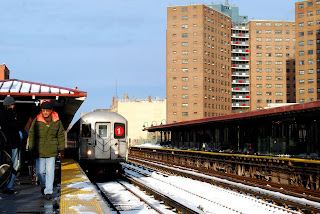
Snowed In Car
image by AMagill used under Creative Commons license


Winter’s cold temperatures sometimes prompt New Yorkers to take to their cars for commuting. Walking or biking to and from work can be unpleasant during this season, so people may choose the protection and warmth of their vehicles instead of alternate forms of transportation that offer the same virtues but are better for our air quality. We wanted to share with you a few of these options with the hope that, once you see how easy it is to switch, you’ll wind up driving your car less frequently.

1. Take Mass Transit

For those commuters who bike or walk to work during the warmer months, taking mass transit is a great option for the winter. If your office is near your home, you likely live in a more urban location and have many mass transit options. Biking or walking when it’s warm and taking mass transit when it’s cold could save you more than $13,000 a year in car-related expenses and can help reduce air pollution.

2. Carpool

If you must drive your car to and from work during winter, invite a few neighbors to ride with you if they work near your office, or share your car with co-workers you can pick up and drop off along the way each day. 511NYRideshare can help you set up your carpool and will introduce you to all the great benefits available to carpoolers. Carpooling is the perfect compromise because you get the benefits of riding in a car while reducing the number of vehicles on the road and, thus, the amount of air pollution generated.

3. Telecommute

Telecommuting is a great way to improve our air quality and it protects you during winter storms. Staying home is always the safest option at such times, so talk to your boss about whether telecommuting is a viable choice. Creating an emergency plan to work from home will keep you safer during winter and can keep you healthier during warmer months when Air Quality Action Days occur. Sign up to receive our Air Quality Action Day updates and you’ll be ready to telecommute when they are announced.

Tuesday, January 18, 2011

A Brief History of Air Quality Regulations

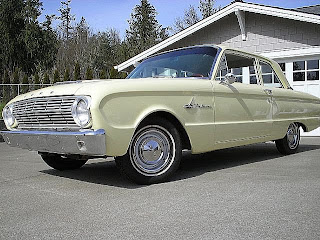
1963 Car
image by Collector Car Ads used under Creative Commons license


Most of the articles we write on this blog are focused on how to improve air quality in the New York metro area now and in the future. This week, we provide some perspective on how we got to where we are in these endeavors.

Our country’s major legislative efforts to clean our air started more than 50 years ago. The Air Pollution Control Act of 1955 was the federal government‘s first attempt to control air pollution at its source. It funded research and helped to put a bigger spotlight on poor air quality as a national issue.

In 1963, the federal Clean Air Act was signed into law. It was the first piece of legislation to use the “Clean Air” title, and paved the way for other legislation to reduce pollution by motor vehicles. In 1965, the Motor Vehicle Air Pollution Control Act was enacted as an amendment to the Clean Air Act. This amendment set federal standards for vehicle emissions for the first time; it sought a 72 percent reduction in hydrocarbons, 56 percent reduction in carbon monoxide and 100 percent reduction in crankcase hydrocarbons from their levels in 1963.

Since then, the Clean Air Act regulations have been credited with saving 11,700 lives from carbon monoxide-related premature deaths, according to a 2002 study in the Journal of the American Medical Association. Additional laws have addressed concerns about particulate matter, ground-level ozone and blood-lead levels, as the nation strives to provide cleaner air for everyone. At Clean Air NY, we believe that everyone can contribute by making small changes to everyday transportation choices. To learn more and to make your commitment to help improve our air quality, visit CleanAirNY.org.

Tuesday, January 4, 2011

10 New Year’s Resolutions For Cleaner Air

If you’re a little late in making your New Year’s resolution and looking for some inspiration, we’ve got 10 environmentally friendly ideas for you that will help improve our air quality.

1. Don’t Top Off the Tank – Stop at the Click

Many people may not know that gas pumps are designed to stop filling the tank before they are entirely full for a reason. The pump stops with a click so there is enough headroom for the fumes from the gasoline to remain inside the gas tank instead of escaping out into the air. When you top off your tank, these fumes have nowhere else to go and are released into the atmosphere where they are baked by the sun and become pollutants. Stopping at the click is a very simple habit to adopt that will go a long way in reducing air pollution.

2. Combine Multiple Errands into One Trip

It may surprise you that something as simple as doing all your errands in one big trip, instead of multiple smaller trips, can improve our air quality significantly. You will help reduce air pollution from driving and save valuable time and money on gas. If you combine errands you drive fewer miles compared to taking multiple shorter trips. You spend less time driving and use less gas to get to your destinations. In addition, your car works more efficiently when the engine is warm. By doing consecutive errands, your engine will stay warm and your car will operate better than it would from a cold start.

3. Fill Your Gas Tank at Night

In the spirit of our first New Year’s Resolution on this list, if you fill up your gas tank at night, you further reduce the risk that gasoline fumes will leak into the air, get baked by the sun and become pollutants. No matter how careful you are, there is always the risk of fumes entering the air.

4. Take Mass Transit

Most people know mass transit is cheaper and better for the environment than driving, but few actually realize how much better it is and the huge amount of money they could save each year by ditching their car. Each year, an individual can achieve an average annual savings of more than $13,000 by taking public transportation instead of driving and by living with one less car. Each year, mass transit reduces carbon dioxide emissions by roughly the same amount as if the power was turned off to half the houses in New York State! That’s 37 million metric tons and 4.9 million houses per year, for those of you keeping track.

5. Join a Carpool/Vanpool

Holiday House LightsCarpooling is another great way to reduce your commute’s negative impact on air quality. Thanks to some great resources from 511NYRideshare, you don’t have to ride with a complete stranger or worry about being stranded if your ride home has an emergency. There is an online ridematching service to help you connect with other people in your area looking to carpool. Also, if your ride can’t pick you up, you can take a cab home and be reimbursed for your full fare, including gratuity. Carpooling also helps the environment. If one out of every 10 commuters in the New York metro area carpooled instead of driving just once a week, emissions of ozone precursors would be reduced by about 5,100 tons (the weight of an entire battleship) every week.

6. Ride Your Bike

Riding your bike is a great alternative to driving short distances and is great for your health and well-being. You will be making an effort to improve our air quality and you’ll improve your health. When billionaire Richard Branson, founder of the Virgin Group, was asked how to be more productive, his answer was, “Work out.” He said exercise gave him at least four more productive hours per day. Obviously, bicycling is weather dependent, so it’s smart to have a backup plan for those cold, rainy days.

7. Telecommute

If you want to do something that’s good for your own safety as well as our air quality, consider setting up a telecommuting arrangement with your employer. If you can work from home, you’ll avoid the potential problems that come with winter weather now; you can also work from home on Air Quality Action Days (sign up for our updates!) when the New York State Department of Environmental Conservation predicts air quality will be in the unhealthy range. Telecommuting can help reduce pollution and benefits employers. Studies have shown employees who telecommute take fewer sick days and show significantly increased productivity.

8. Work a Compressed Week

Many employers now offer the option of working a compressed week. Instead of working five eight-hour days each week, employees can work four 10-hour days and have an extra day off. Such an arrangement gives employees more time to spend with their children, friends and families, and eliminates one round trip of commuting each week.

9. Maintain Your Vehicle

Looking for more ways to save money and to improve the air quality? Here’s another great tip — always keep your car tuned up and the tires properly inflated. A well-maintained vehicle produces 20 percent less ozone-related emissions, saves money on gas, and reduces traffic congestion from breakdowns. Properly inflated tires can save you around $75 each year.

10. Cut Back On Idling

Do you know how much gas you waste each year by allowing your engine to idle? It’s a lot: 24.5 gallons of gas a year, on average. That’s more than a full tank of gas for most cars. Cutting back on idling is like getting a free tank of gas each year, and it’s good for our air quality, too. If you’re going to be idling for more than 30 seconds, it is more fuel-efficient to turn your engine off. In fact, idling for 30 seconds or more uses more fuel than restarting your engine.
Monday, December 27, 2010

Fall Fresh Fridays & Skating In Central Park Recap

Fresh & DJ Delilah
Fresh has been a busy cloud this fall! He has traveled all over the New York metro area spreading the word about Clean Air NY and encouraging people to make simple changes to their transportation habits, such as taking mass transit, carpooling and combining multiple errands into one trip to help improve the region’s air quality. Every Friday from October 29 to December 10, (except for November 26 when he was recovering from all the Thanksgiving turkey he ate) Fresh visited a different part of the region for “Fall Fresh Fridays.” He went to some exciting places, such as Grand Central Station, the White Plains TransCenter and the Smith Haven Mall. If you want to see all the great pictures of Fresh from Fall Fresh Fridays, check out our Fall Fresh Friday photo album on Facebook and make sure to friend us while you’re there!

Fall Fresh Fridays wrapped up ahead of the Skating in Central Park event on Saturday, December 11. Everyone who visited the Clean Air NY display at Wollman Rink enjoyed cookies, pretzels, hot chocolate and other goodies. Fresh made a lot of new friends; 446 of them signed up to receive our Air Quality Action Day updates! On days when the New York State Department of Environmental Conservation predicts air quality to be in the unhealthy range, we send out updates to our network, letting folks know how they can take action to protect themselves and the environment by making smart travel choices that day. Even if you weren’t at Skating in Central Park, you can sign up to receive our updates online!

Thanks again to everyone who came out — Fresh had a great time meeting all of you. If you couldn’t be there, we still appreciate your continued support of Clean Air NY! Together, we can make significant progress to improve the region’s air quality.

Monday, December 13, 2010

Four Tips For The Holidays That Save Money & Improve Air Quality

Holiday House Lights
image by Paul Lowry used under creative commons license


Even if you're not a procrastinator like me, you likely still have some holiday shopping left to do this season. We're here to give you four special Clean Air NY tips on how you can both save money and improve the air quality while you finish your holiday shopping.

Tip #1: Take One Car Trip Instead of Many

As we often say, combining different stops into one big trip, instead of taking multiple one-destination trips, will save you time, gas and money. This tip applies especially during the holidays because of all the extra shopping you have to do for gifts and party supplies on top of your normal errands. Get in the habit of asking yourself as you leave your house, "Is there anything else I can do while I'm on this trip?" If you combine five errands per week that you might normally break into five separate trips, you could end up driving 2,000 miles less per year. In doing so, you could save almost 100 gallons of gasoline and nearly $300!

Tip #2: Carpool To Holiday Parties

Like Tip #1, carpooling is another primary activity we encourage to promote cleaner air year-round that is helpful particularly during the holidays. With all the parties you probably have on your calendar, you'll drive a lot more this time of year. See if anyone you know will be going to the same party and ask them if they want to share a ride. Thanks to the popularity of Facebook (friend us!), most of your holiday parties will probably have event pages there for you to see who is attending. Not only will you save money by splitting the cost of gas, you'll reduce the number of cars on the road and the air pollution that goes along with it.

If you're interested in carpooling and want more information about how you can do it year-round, check out NY Rideshare at 511NYRideshare.org.

Tip #3: Shop Online

What's better than combining all of your car trips into one big trip? Not taking any trips at all! Online shopping has become increasingly more reliable and popular across the country. Of Black Friday shoppers, 33.6 percent were online this year, up 7.1 percent from the 28.5 percent reported last year. As the number of people shopping online increased, so have the number of deals. This year's Cyber Monday saw 60.5 percent more coupons and discounts available than last year. While you have to factor in the time and cost for shipping, you can usually get what you want for cheaper online as long as you don't shop at the last minute.

Tip #4: Take Mass Transit To Your Holiday Entertainment Events

Last week, we posted a guide to taking mass transit to the New York metro area's arenas, and whether you're going to catch a show, game or concert, it's easier than ever to leave the car at home. As you bypass the headaches of traffic and ever-increasing parking costs, you’ll help reduce pollutants and improve the region’s air quality!

Tuesday, November 23, 2010

Take The Train To The Game

MSG Subway Station
image by wfyurasko used under creative commons license


With the NFL, NHL and NBA seasons in full swing, many New Yorkers are on the roads to see their favorite sports teams compete. Now, whether you're a Giants fan from White Plains or an Islanders fan living in Manhattan, there is a way to get to all major venues in the area using mass transit instead!

New York sports fans are accustomed to taking mass transit to games; they have traveled this way to Madison Square Garden, Yankee Stadium and Shea Stadium for years. The Mets and the Yankees have new homes now, but they are still highly accessible via the subway. The only place that had been difficult to reach using mass transit, until recently, was Giants Stadium.

Now, thanks to a new MTA Metro-North train route and extended NJ Transit service, fans from all over the area easily can take mass transit to the Jets' and Giants' new home — New Meadowlands Stadium. The updated Metro-North schedule includes trains that run from New Haven to Penn Station (instead of Grand Central) for all 1 p.m. Sunday football games at New Meadowlands Stadium. From there, it's an easy transfer to the NJ Transit service to New Meadowlands Stadium via Secaucus Junction. This allows fans living in the Lower Hudson Valley, who previously had to make numerous transfers taking mass transit to the game, to arrive with one easy change.

Taking mass transit to the region's venues for games, concerts, shows and other events is easier than ever. This action helps New Yorkers avoid the headaches of traffic and the ever-increasing parking costs and helps reduce pollutants, improving the region’s air quality.

Plan your trips using 511NY.org or check out this list of venues with links directly to mass transit directions. Share this information with your fellow sports fans in the area, too!

Madison Square Garden

New Meadowlands Stadium

Nassau Coliseum

New Yankee Stadium

Citi Field

Prudential Center

Wednesday, November 17, 2010

Fall Fresh Fridays are Here!


The leaves are turning colors and the air is crisp. Fall has arrived! Clean Air NY is celebrating the season with Fall Fresh Fridays. Every Friday between now and December 10, our beloved mascot Fresh will be out in New York City, the Lower Hudson Valley and Long Island, encouraging New Yorkers to make smart travel choices and to improve our air quality.

When you spot Fresh out and about on a Fall Fresh Friday, take a picture of him and post it on our Facebook wall at http://www.Facebook.com/CleanAirNewYork. Everyone who posts a photo will be entered to win a free transit pass in our weekly drawing.
Upcoming Fall Fresh Fridays:
  • Friday, November 19 - White Plains Transit Station, malls in Westchester and Rockland Counties (stay tuned for more info)
  • Friday, December 4- Long Island (stay tuned for more info)
  • Friday, December 10- New York City (stay tuned for more info)

Jessica Horne, Marketing and Outreach Manager of Clean Air NY.